

Technologies in Furniture Manufacturing
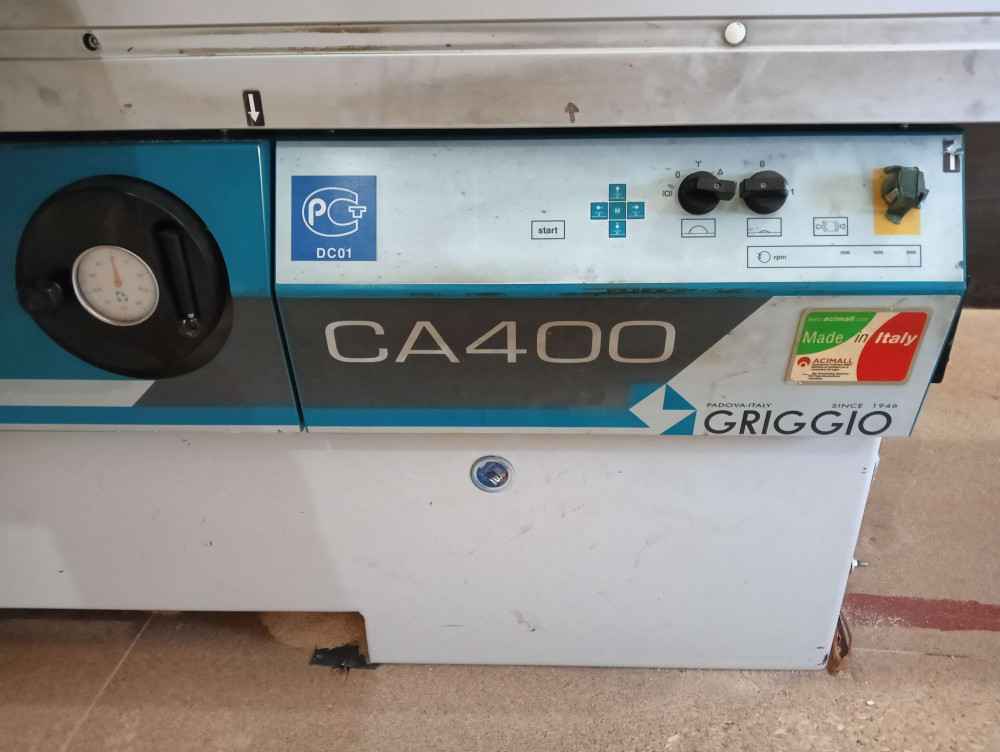
The furniture industry is also keeping pace with the times by incorporating innovative technologies into product development. Several decades ago, furniture manufacturing relied primarily on manual labor, with only certain processes being automated. Modern solutions make it possible to create higher-quality products while also making them more affordable. The latest technologies have transformed not only the manufacturing process but also the approach to it, and have improved customer interactions. In this article, together with specialists from MAXIMEBLI, we’ll discuss which technologies are changing the furniture manufacturing industry and how.
Comprehensive Automation
Production lines are equipped with computerized control systems that enable a range of operations to be performed with high precision and minimal errors. The equipment handles material cutting, drilling, milling, and other processes. This makes the manufacturing process faster and of higher quality, resulting in shorter lead times for finished products and reduced waste.
Specialized lathes, operated by computer software, control all stages of part processing. These systems ensure a high level of precision, even when creating small elements, decorative details, holes, and curves. These technologies minimize the human factor, reduce production costs, and enable the mass production of parts.
Digital Design and 3D Modeling
Modern furniture production is inconceivable without 3D design. Using digital models, designers create future products even before they are physically manufactured. This allows customers to see how the furniture will look in the interior, whether it will fit in, and what its proportions, shapes, and colors will be. As a result, it’s possible to immediately determine whether everything meets expectations and make changes in a timely manner if necessary. For manufacturers, digital design enables precise material calculations and the creation of drawings, as well as the rapid transfer of data to the equipment.
3D Printing and Its Capabilities
3D printing is widely used in modern furniture manufacturing. Printers are used to create decorative elements, individual structural components, and furniture prototypes. One of the main advantages of this technology is the ability to produce complex shapes that are difficult or even impossible to create using traditional methods.
Capabilities of 3D printing:
creation of complex, sculpted elements—non-standard decorative elements, handles, or fasteners that are difficult to produce using traditional methods;
exclusive design—3D printing expands the possibilities for customizing furniture; customers can order products based on their own sketches and bring creative ideas to life;
environmental friendliness—the technology allows for the use of biopolymers or recycled materials in printing.
3D printing is being actively integrated into production—it is used by both small companies and factories that mass-produce furniture.
Robotization of the Production Process
The furniture industry is increasingly adopting robotic systems that perform routine operations, replacing manual labor. These systems can assemble structures, apply finishes, package finished products, and transport parts between workstations. Robots operate at high speeds and ensure consistent quality, resulting in more productive manufacturing. Automation is particularly effective in large factories where high-volume production is required.
Innovative Materials and Finishes
Upgrades extend not only to equipment but also to materials. Manufacturers are using finishes with enhanced resistance to scratches, moisture, and sunlight. Such solutions improve the quality and durability of products, making them more practical for everyday use.
Modern technologies are gradually transforming the furniture industry, benefiting both manufacturers and consumers. Factories are able to create higher-quality products while spending less time and labor on them. Consumers, in turn, receive furniture that meets their expectations down to the smallest detail.