

How to Arrange Furniture in a Room
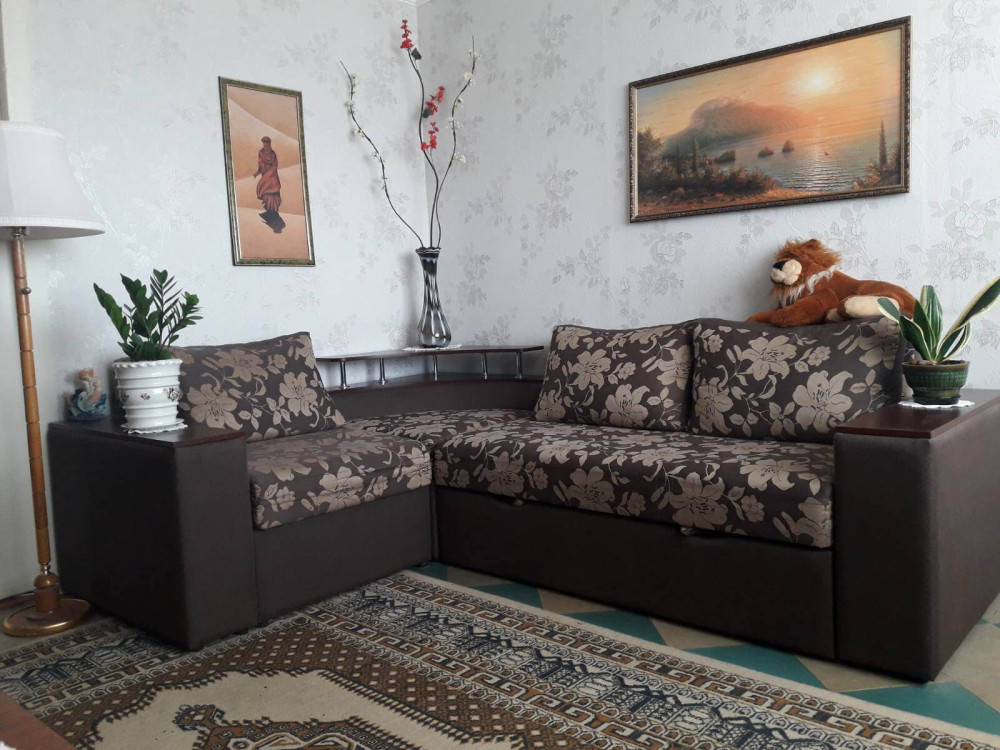
An attractive and comfortable interior is not only about the right colors and textures but also about a well-thought-out furniture layout. The future atmosphere, the convenience of using the space, and its suitability for the room’s purpose depend on this. Therefore, it is important to pay attention not only to the style of the furniture but also to where exactly it will be placed.
The importance of proper furniture placement for the functionality and aesthetics of a room
Furniture placement affects the ease of using the room. If arranged chaotically or without thought, it can obstruct movement and visually overwhelm the space.
If furniture is selected and arranged correctly, it offers the following benefits:
a logical spatial layout, which ensures comfort;
visual harmony without clutter;
functionality in every part of the room.
Even in a small room, furniture can be arranged to include everything you need without cluttering the space. In particular, you can order custom-made interior items to ensure they fit the dimensions of your apartment or house. You can order custom furniture on the “MAXIMEBLI” website. The company has its own production facilities, allowing it to control quality at every stage, offer competitive prices, and provide a personalized approach to every order.
The Importance of Adapting Furniture to Users’ Physical Needs
One of the main principles of interior design is ergonomics. This involves adapting furniture to a person’s needs and physical characteristics. This includes the depth of cabinets, the height of tables, sofas, and beds, the depth and organization of cabinets, and many other similar parameters. Everything should be designed so that the owner can comfortably use the space without exerting unnecessary effort to perform daily activities.
Analysis of the room’s dimensions and shape. Principles of functional zoning
Before purchasing furniture, it is necessary to assess the room’s characteristics—its size, shape, and the location of doors and windows. This is needed to better understand what should be placed where.
The room should be divided into several zones according to their purpose. For example, in the kitchen, these are the dining area and the cooking area; in the living room, the work area and the relaxation area. To furnish the room effectively, follow these principles:
place large pieces of furniture along the walls;
maintain sufficient space between furniture pieces to allow for movement;
use lighting, furniture, and rugs to visually divide the space.
Zoning allows every family member to use the room comfortably. Even when everyone is in the same place at the same time, each person can go about their own business.
Choosing furniture to match the interior style
Furniture should be chosen to match the room’s style. You cannot create a minimalist interior without furniture that also features simple shapes, neutral colors, and a minimum of decorative elements. Classic style, on the other hand, requires solid, substantial furniture and decorative accents.
Decorative elements generally complete the creation of a harmonious interior. Without them, it won’t feel complete. Well-chosen textiles, light fixtures, candlesticks, or paintings add coziness and bring the room to life. But don’t overload the space with too many accessories, or it will create “visual clutter.”
Using multifunctional furniture and visual tricks to expand the space
You can organize the space effectively even in a small room. To do this, it’s a good idea to use multifunctional furniture, such as:
convertible tables;
sofa beds;
pull-out tables;
built-in wardrobes.
Another important rule for furnishing a small room is to use light colors to visually expand the space. Mirrored surfaces also help with this. Quality lighting plays a significant role as well—it should be both general and task lighting. Insufficient light also makes the room appear smaller and more “dreary.”
Taking Individual Needs and Lifestyle into Account
It is essential to consider the individual needs of the homeowner or apartment owner—the person who will be using the room. Even the most stylish interior won’t be enjoyable if the space itself doesn’t align with their lifestyle. You need to consider the needs of family members—for example, having space for work and creativity, or a place to store collectibles. An apartment where small children will live must be safe for them: furniture without sharp corners, and “stops” for drawers and doors.